

Retail organizations generate enormous volumes of transaction data, yet still lack a reliable, unified view of their customers.
Point of Sale transactions, retail media exposure, loyalty activity, CRM records, and card transaction data all exist across the enterprise. Individually, these systems perform well. Collectively, they fail to resolve activity to a consistent individual or household identity.
As a result, retailers can observe transactions at scale, but they cannot consistently determine who is buying today or who bought historically across channels and touchpoints. This gap sits at the center of most retail measurement challenges.
A significant share of retail revenue flows through in-store card transactions that carry no persistent identity. Media platforms report impressions and clicks, not confirmed purchasers. Loyalty programs provide high-quality first-party data, but only for participating customers. CRM systems reflect known relationships, not the full buying population.
Each dataset represents a partial view of reality. Without a unifying identity layer, these systems operate independently, creating fragmented customer visibility. Retail performance is therefore evaluated based on transactions and volume metrics rather than on people, households, and long-term customer value.
Simply put: Identity connects what’s bought with who bought it — and without it, insights break down.
When identity resolution is incomplete, retail analytics fail in predictable ways.
- Retail media performance cannot be validated against actual buyers
- Incrementality and attribution rely on modeled assumptions rather than observed outcomes
- Shopper overlap across banners, categories, and competitors is inferred instead of measured
- Activation and personalization efforts are constrained by partial identity coverage
The organization may appear data-driven, but decision-making is still based on proxies rather than verified customer behavior. This is not a tooling issue. It is a lack of identity.
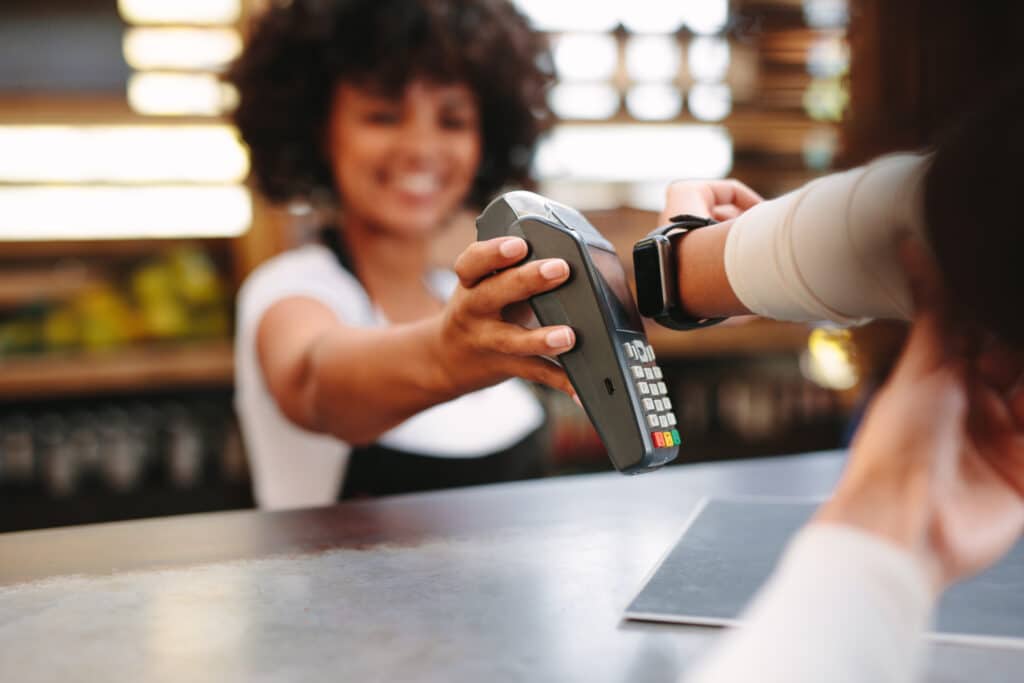
Identity connects what’s bought with who bought it.
Modern retail organizations need continuity between current purchasing behavior and historical transaction history.
Understanding who is buying now supports activation, targeting, and personalization. Understanding who bought in the past enables attribution, incrementality analysis, lifetime value modeling, and performance measurement.
Both require a shared identity foundation. This is where Transaction Matching becomes foundational infrastructure.
Transaction Matching deterministically resolves anonymous transaction data – including in-store card transactions -to verified individuals and households in a privacy-safe, enterprise-grade manner.
Rather than replacing existing platforms, Transaction Matching integrates across them, acting as a persistent identity layer that connects media exposure, POS activity, loyalty participation, CRM records, and card spend into a unified customer view.
This creates operational continuity across channels and timeframes, enabling retailers to align who is buying now with who bought historically using the same identity framework.
Even retailers with strong first-party data and high PII coverage continue to face identity gaps. Transactions occurring outside loyalty programs, outdated records, and disconnected systems introduce blind spots that undermine measurement. Transaction Matching closes those gaps, maintains identity accuracy, and ensures anonymous transactions are incorporated into the customer view.
When identity resolution is complete, retailers can:
- Resolve anonymous in-store transactions to real customers
- Measure retail media performance against confirmed purchasers
- Observe true shopper overlap across brands and categories
- Evaluate performance based on people and households, not proxies
Transactions shift from being isolated events to becoming people-based intelligence.












0 Comments