Each generation has unique values, communication styles, and technology uses. This political marketing guide explains how to reach each generation of voters.
As more members of Gen Z become eligible to vote, political campaigns must adapt their strategies to connect with each unique generation of voters. From the Silent Generation to Gen Z—one size does not fit all when it comes to political marketing.
Each generation has unique values, communication styles, and technology preferences, making it essential for political campaigns to tailor their approach to each distinct group. In this blog post, we'll explain how to reach each generation of voters with messaging that resonates.
Reaching Generational Cohorts with Political Campaigns
The formative experiences of a group of similarly-aged peers, known as generational cohorts, can impact their beliefs, preferences, and values. This includes how each generation approaches their careers, communications, decision-making processes, family interactions, technological advances, and more.
Political election campaigns have long debated the benefit of using broad generational cohorts as stand-alone marketing segments. Many marketers believe that this approach would be counterintuitive to the highly personalized, relevant approach to messaging the majority of voters crave. However, layering the intelligence of generational cohorts on top of well-targeted audiences can inform creative direction, messaging points, and channel selection.
When considering using generational cohorts to add focus to your political and fundraising campaigns, we recommend considering each group's communication preferences, technology adaptation, and values.
Political Communication Preferences and Generational Technology Adaptation
In many ways, communication preferences and technology adaptation are closely linked. We see a natural inclination for the trailing generations to prefer multiple online touch points as they transition fluidly from screen to screen, whereas the leading generations lean toward a non-digital, more traditional approach to communications.
Interestingly, the appeal of email marketing for political campaigns is almost universal, with Baby Boomers, Gen X, Millennials, and Gen Z all showing proclivity toward the channel. This is likely due to email's convenience, level of personalization, and easy accessibility to linked resources.
What Does Each Generation Value in Political Campaigns?
To make a deep connection with your intended audience, it's important to understand each generation's prevailing values. This knowledge can inform the language and imagery used within your political election campaigns.
Here are some key aspects of each generation to consider:
The Silent Generation (born in 1928-1945)
Members of the Silent Generation prefer traditional advertising channels with a focus on written communications and telephone calls. Messaging should have a formal tone, communications should be straightforward, and content should be simple.
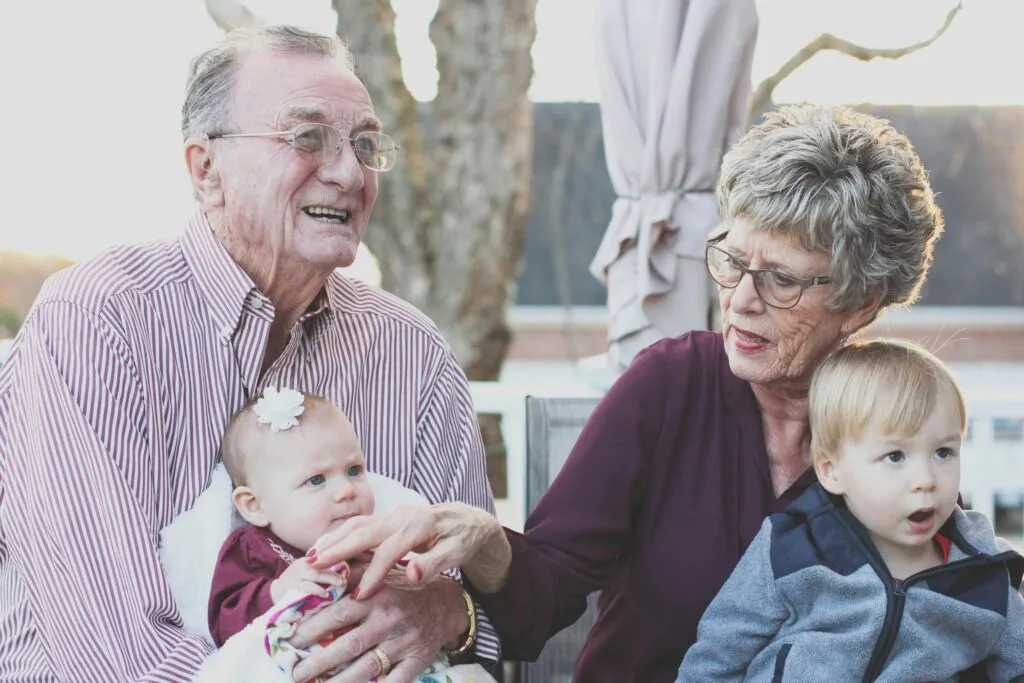
This generation is largely disconnected from recent and emerging technologies, including social media. However, some members of this generation do use Facebook—primarily for the purpose of keeping in touch with family. They value campaigns that promote consistency, determination, fairness, patriotism, prudence, and respect.
Baby Boomers (born in 1946-1964)
Baby Boomers and Generation Jones prefer traditional advertising channels with a focus on in-person conversations and telephone calls. Messaging should be respectful and work to develop rapport.

Since members of this generation are generally slower to adapt to new channels, they may need assistance engaging with new technologies. Because of this, their social media usage is largely limited to Facebook, which they primarily use to keep in touch with friends and family. However, they are more likely to turn to YouTube for entertainment.
They value campaigns that demonstrate competition, discipline, goal-orientedness, and loyalty, and are work-centric.
Generation X (born in 1965-1980)
Members of Gen X are early adopters of email and tend to prefer the simplicity of that channel over social marketing. Communications should ask for their collaboration and support.

Gen Xers rapidly adapt to changing technologies. They use social media to connect with friends and family, but also to access news and information. They're adaptable, balance-seeking, efficient, independent, informal, and skeptical—and your messaging should reflect that.
The Digital NativesMillennials and Gen Z Voters
In the upcoming election, millennial and Gen Z voters make up roughly 48.5% of eligible voters. By the 2028 election, these digital natives will comprise the majority of eligible voters in the U.S.
While traditional media currently makes up a large amount of political ad spending, digital channels will be much more influential this election cycle. Here's a more detailed breakdown of these two highly influential generations and how they differ from older generations.
Millennials (born in 1981 – 1996)
Millennials are online, cross-channel communicators. Content, influencer, and social marketing are especially important for this group. Compared to previous generations, millennials tend to avoid phone calls.

Millennials are among the first digital natives, and are commonly referred to as the "Internet Generation." On social media, they seek both personal and professional growth on multiple platforms and are more likely to complete purchases through social media apps than other generations.
Members of this generation pride themselves on being collaborative, conscious, empathetic, inclusive, inquisitive, and resilient. Effective campaigns will ask for their collaboration and support.
Generation Z (born in 1997 – 2010)
Millions of young Gen Z voters will be eligible to vote for the first time in this year's upcoming election. If your campaign relies on youth voter turnout, reaching these new voters is particularly important.

It's no surprise that Gen Zers value online, cross-channel communication—including social media and influencer marketing. These tech-savvy voters are likely to respond rapidly to effective campaigns.
Dependent on technology for the majority of daily tasks and entertainment, this younger generation responds particularly well to social media campaigns. They consume short-form, visually-driven content on platforms including Instagram, Snapchat, TikTok, and YouTube.
According to MediaPost, TikTok has especially become a powerful tool for political communication, as Gen Z uses this platform for entertainment, to stay informed, and to express their opinions. For these reasons, TikTok plays an increasingly important role in shaping political discourse among the nation's young voters.
This group of young people are authentic, autonomous, diverse, entrepreneurial, experiential, and flexible. Political communications to this group must be direct, authentic, and to the point.
*Note: Deep Sync's Gen Z audiences only include adults ages 18 and older. Any targeting of under-age-18 individuals is at the parent-, guardian-, or household-level.*
Generation Alpha (born 2011 – now)
While members of Gen Alpha are not yet old enough to vote, some of them will reach voting age by 2028! It's crucial to plan ahead and stay abreast of youth marketing trends.

Once the oldest members of this new generation turn 18, these young voters will be perfect to target for voter registration campaigns!
Reach every generation of voters with verified data.
Deep Sync's deterministic voter and consumer data lets campaigns target each cohort on the channels they actually use, from direct mail to CTV to social.